
CONTEXT
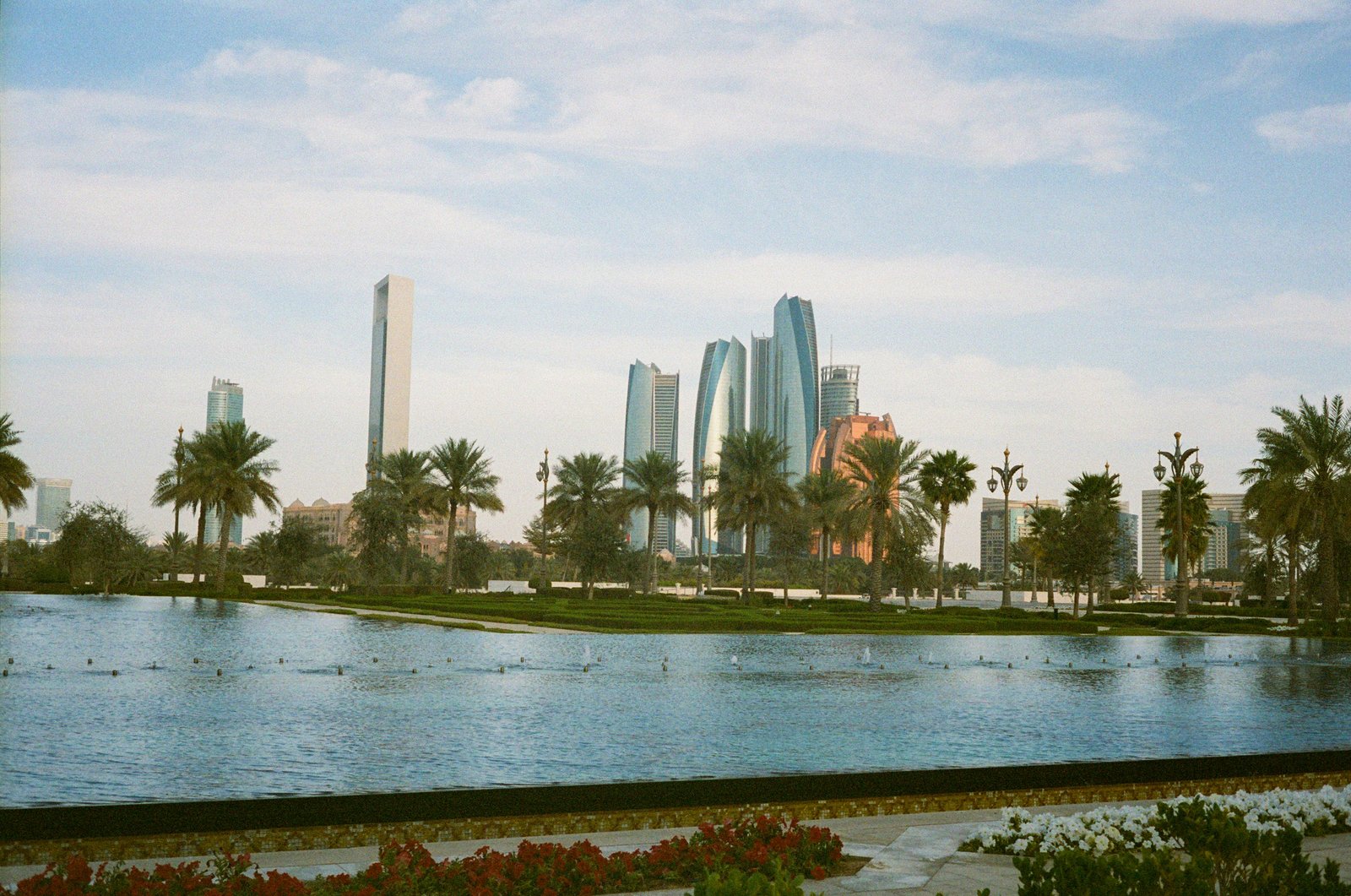
Abu Dhabi’s luxury property market had a remarkable third quarter. According to Savills Middle East, 582 homes changed hands for more than AED 10 million each, 35 percent more than in the previous quarter and more than double the same quarter last year.
The wider residential market tells a more nuanced story. Total transactions fell to 6,085, down 7 percent year on year, yet sales value rose 32 percent to AED 21.5 billion. Fewer deals, significantly more capital per deal.
Off-plan dominates. It accounted for 81 percent of all residential transactions and 95 percent of deals above AED 10 million. The average off-plan purchase reached AED 5 million, up 40 percent in a year. Apartment prices rose 9 percent to around AED 22,700 per square metre, villas 8 percent to AED 18,200. Foreign buyers, residents and non-residents combined, now account for 70 percent of sales value, up from 64 percent two years ago.
MY TAKE
These numbers arrive in a year in which the region has given investors every reason to hesitate. The headlines have not been calm. And yet the capital has not left. It has become larger, more selective and more international.
These numbers arrive in a year in which the region has given investors every reason to hesitate. The headlines have not been calm. And yet the capital has not left. It has become larger, more selective and more international.
This is the detail I find most telling. When uncertainty rises, weak markets lose their buyers first at the top. The people with the most capital and the most options are usually the first to pause. In Abu Dhabi, the opposite happened. The top end doubled. Buyers who can invest anywhere in the world chose to commit AED 10 million and more to a single home here, and almost all of them chose off-plan, which means they are committing to a future several years away.
That is not speculation. That is conviction.
Dubai remains the big brother. It is the larger, deeper and more liquid market, with more than AED 680 billion in real estate investment last year and a population growing by roughly 900 people every day. For most international investors, Dubai is still the first address and the benchmark against which everything else is measured.
But Abu Dhabi has become a serious alternative rather than an afterthought. It offers a different profile: a capital city economy, a more measured supply pipeline of around 68,000 homes expected by 2030, and a buyer base that is visibly moving up the value chain. For investors who already own in Dubai, or who want exposure to the UAE without concentrating everything in one city, it deserves a place on the shortlist.
MY THESIS
The UAE is not one market. It is two complementary ones.
Dubai offers scale, liquidity and momentum. Abu Dhabi offers depth at the top and a slower, more deliberate rhythm of supply. Both are being chosen by the same kind of capital: international, patient and increasingly selective.
The fall in transaction volume alongside the rise in value confirms what I see across the region. The market is not cooling. It is maturing. Buyers are asking better questions about location, quality and long-term value, and they are willing to pay for the right answers. In that environment, the advantage belongs to investors who understand the difference between the two cities and choose deliberately, not to those who simply follow the loudest launch.
FINAL THOUGHT
Uncertainty is the moment markets show their true character. In a year of difficult headlines, the UAE’s two leading cities did not lose their buyers. They attracted bigger ones. Dubai remains the anchor. Abu Dhabi has become the quiet second pillar. Together, they tell the same story: serious capital still sees its future here.
“The best investors do not ask whether the world is calm. They ask where their wealth is safest when it isn’t.”