
The Archipelago Just Crossed From Promise to Proof
1-2 MIN READ
CONTEXT
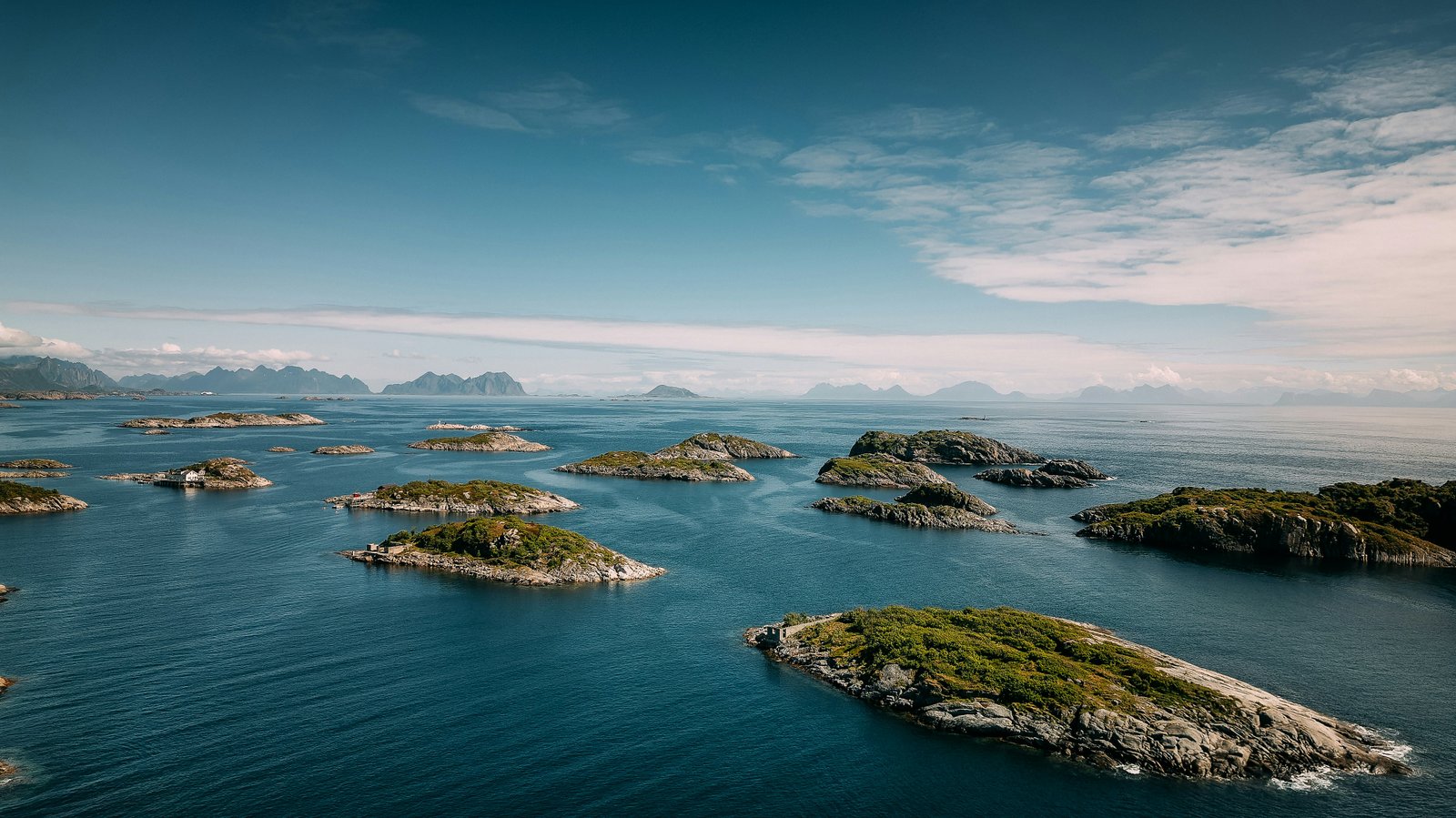
Four kilometres off Dubai’s coastline lies an archipelago of man-made islands that for many years was quoted as a symbol of ambition outrunning reality. For most of the last decade it was a postcard: visible from the air, admired in photos, and largely empty.
That has changed. Over the past eighteen months, the first resort hotels on the islands were completed and handed over, with more following in early 2026. A global hotel group signed on to operate a flagship resort there. Floating villas, beach clubs and serviced residences have moved from renderings to keys.
The official data reflects the shift. According to Dubai Land Department records, the median price per square foot on the islands moved sideways for six years, between roughly AED 2,950 and AED 3,200 from 2017 to 2023. Then it moved. In 2024 it reached AED 3,457, and in 2025 AED 4,521, a rise of around 41% in two years. Over the last twelve months, capital values on the islands grew around 13%.
At the same time, more than 1,100 developer sales worth over AED 5 billion have been registered there. Yet of roughly 2,570 registered units, about 91% are still off-plan.
MY TAKE
Destinations are not priced once. They are priced three times.
First comes the promise. Renderings, master plans and bold announcements. Prices are low because the risk is high and most people cannot imagine the finished place. Then comes the proof. The first hotels open, the first owners receive their keys, the first guests arrive and post photos. Prices move because the risk falls faster than the price rises. Finally comes the place. The destination is established, everyone knows it, and the price already reflects all of it.
For six years, this archipelago was stuck in the first phase. The flat line in the data is what patience looks like when the market is not yet convinced. The jump from 2023 to 2025 is what happens when proof arrives.
What makes this moment interesting is not the past growth. It is the ratio. With nine out of ten registered units still off-plan, the destination is at the start of its proof phase, not the end of it. Most of the supply that will define this place has not yet been delivered, and the investors who buy now are buying before that delivery, not after.
There is also a simple structural point. The number of islands is fixed. They cannot be extended, duplicated or densified the way a city district can. Every plot that is developed reduces the remaining inventory of something that cannot be created again.
MY THESIS
The largest repricing of a destination happens between promise and proof, and this archipelago has only just entered that window.
The best entry is early in the proof phase, when the vision is confirmed but the price still carries part of the original risk premium. Early buyers also choose first. They get the front-row sea views, the best orientation and the first price tier before developers lift prices with every phase.
My view stays conservative, and I always tell investors what to watch. Access is by boat, which shapes how the islands are used. The rental track record is still thin because most units are only now being delivered. Liquidity is lower than on the mainland, and developer selection is critical, because some island projects stalled for years. This is not a place for every investor or every budget. It is a place for those who want a scarce, experience-driven asset and can hold it through the next phase.
For that investor, the timing is unusually clear. The risk of the idea has largely been removed. The price of the idea has not yet fully adjusted.
FINAL THOUGHT
The money in a new destination is rarely made by those who believed first or those who arrived last. It is made by those who recognised the moment the vision turned real.
“The rarest asset in real estate is a place that cannot be copied.”